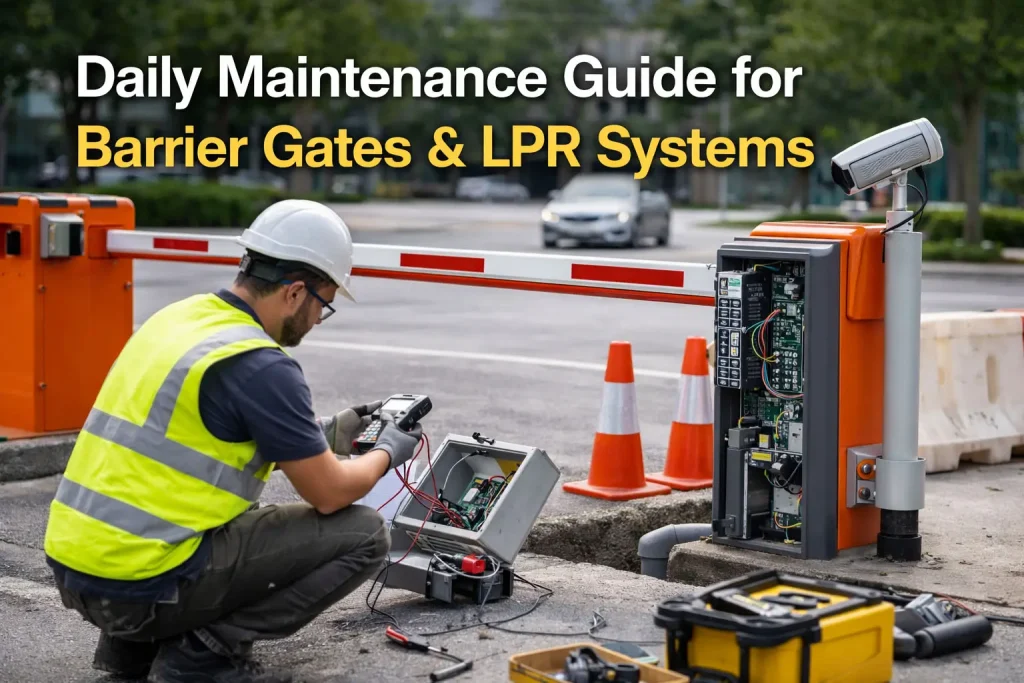
Daily Maintenance Guide for Barrier Gates and License Plate Recognition Systems
 FACEBOOK
 TWITTER
 LINKEDIN
Barrier gates and License Plate Recognition (LPR) systems are essential components of modern parking management and vehicle access control solutions. Whether installed in commercial campuses, residential complexes, government facilities, or paid parking lots, these systems must operate reliably day after day. Without regular maintenance, even the most advanced systems can experience downtime, reduce security, and drive repair costs higher. In this guide, we’ll walk you through the key maintenance steps and best practices you should follow to keep barrier gates and LPR systems functioning optimally.
What Are Barrier Gates and LPR Systems?
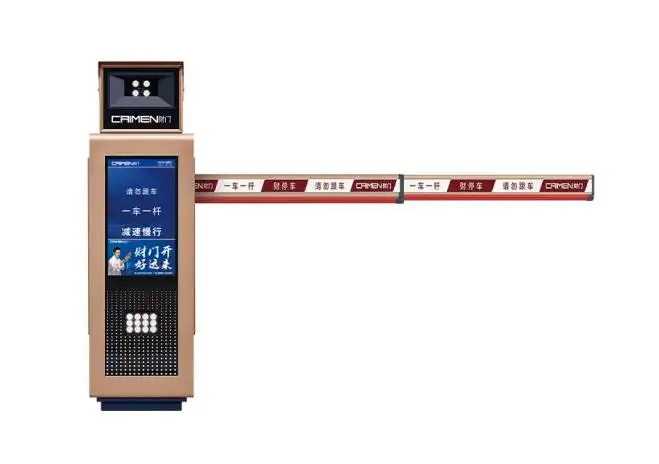
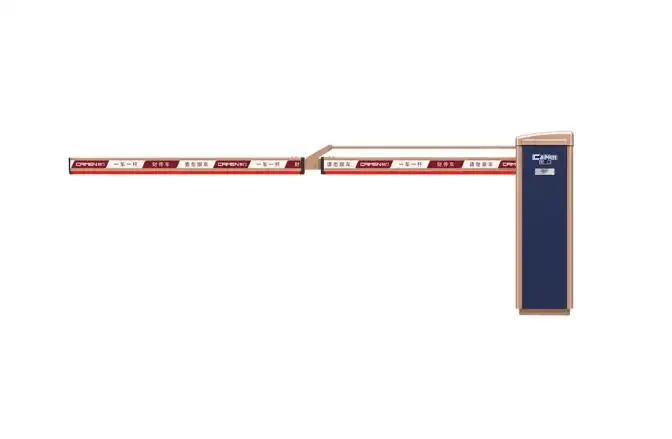
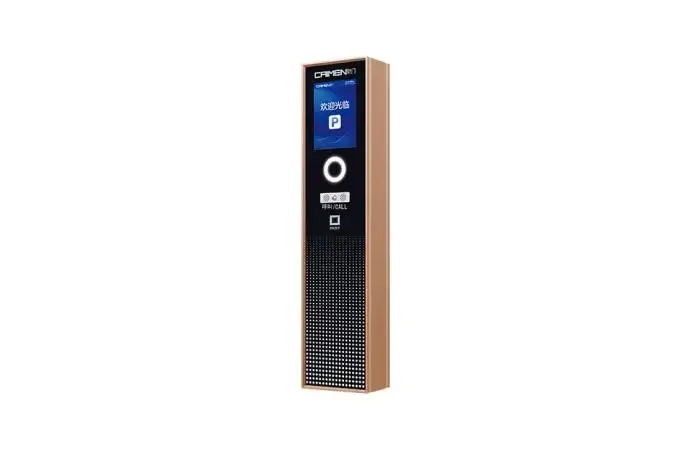
Barrier gates are mechanical arms installed at parking entrances and exits to control vehicle access. They operate automatically when an authorized vehicle is detected or a valid credential (such as a card, ticket, or plate number) is presented. License Plate Recognition systems use high-definition cameras and software to automatically read vehicle plates for access control, parking fee automation, and security tracking. Integrating barrier gates with LPR technology provides a seamless, secure, and efficient traffic flow for both staff and visitors.
Why Routine Maintenance Matters
Maintenance isn’t just a suggestion — it’s a necessity. Barrier gates and LPR systems are mechanical, electrical, and optical systems that operate frequently throughout the day. Components like motors, sensors, cameras, control boards, and balance springs wear over time and are exposed to environmental factors such as dust, rain, and temperature changes. Regular maintenance helps you:
- Prevent unexpected failures and downtime
- Ensure safety for vehicles and pedestrians
- Maximize system lifespan
- Reduce long-term repair and replacement costs
Common Issues with Barrier Gates
Before diving into maintenance tasks, it’s important to know what problems typically occur:
- Barrier gate fails to lift after presenting a card or valid credential.
- Barrier arm doesn’t lower after vehicle exit.
- The barrier arm stops short or fails to reach the correct position.
- Abnormal movements due to misalignment or sensor errors.
These issues are often caused by worn components, loose fasteners, dirty sensors, or electrical faults. Knowledge of common failure modes helps you focus your maintenance efforts where they matter most.
Daily and Weekly Maintenance Checklist
🔹 1. Inspect Fasteners and Hardware
Check screws, bolts, and mounting brackets at least once a week. Loose or missing fasteners can cause misalignment, erratic barrier arm movement, or vibration noise during operation. Tightening hardware regularly ensures structural stability.
🔹 2. Clean Surfaces and Housing
Barrier gates and LPR cameras accumulate dust, pollen, and grime — especially in outdoor installations. Wipe down housings and camera lenses with a soft cloth weekly to maintain aesthetics and prevent corrosion that could compromise component performance.
🔹 3. Test Electrical Connections
Test the power supply and check control panel connections for signs of wear, corrosion, or loose contacts. A weak electrical connection can cause failures during peak usage periods or result in intermittent malfunctions.
Monthly Maintenance Tasks
🔹 4. Check Balance Springs and Motion Components
Barrier gate balance springs handle tension and help the arm move smoothly. After roughly 30,000 cycles, inspect the balance spring for deformation or fatigue. If springs are worn, adjust or replace them promptly to avoid stress on the motor.
🔹 5. Clean and Inspect Vehicle Detectors
Ground loops and sensors are critical to triggering barrier gates correctly. Dust, leaves, or pavement damage can interfere with detection — particularly in high-traffic locations. Inspect sensor areas monthly and remove obstructions.
🔹 6. Examine Remote Controls
If your system uses remote controls for manual override or maintenance access, check each remote’s battery level, response distance, and signal strength. Replace weak batteries and test function monthly.
LPR System Maintenance Best Practices
License Plate Recognition systems rely heavily on clear image capture and software accuracy. To maintain high recognition performance:
🔹 1. Keep Camera Lenses Clean
Clean camera lenses regularly — weekly in dusty or traffic-heavy environments — using a soft, non-abrasive cloth. Ensuring lenses remain clear directly impacts LPR accuracy and speeds up recognition processing.
🔹 2. Update Software and Firmware
LPR software and firmware updates improve recognition algorithms, add new features, and fix security vulnerabilities. Check for updates monthly and apply them as recommended by your supplier or service provider.
🔹 3. Adjust Camera Angles
Camera alignment relative to approaching vehicles should be optimized — typically between 15–20 degrees — to minimize glare and maximize plate visibility. Re-verify and correct angles regularly, especially after maintenance work or weather events.
🔹 4. Monitor Connectivity and Power
LPR cameras often rely on network and power infrastructure. Check cables, connectors, and backup power systems monthly to ensure uninterrupted service and fast data transmission.
Quarterly and Annual Maintenance
🔹 1. Professional Inspection
Every three to six months, have a certified technician perform a full inspection of barrier gate motors, drive belts, sensors, and LPR components to catch issues that standard checks might miss. This step is especially important in high-use facilities.
🔹 2. Service Records
Maintain detailed logs of maintenance, repairs, and part replacements. These records help identify recurring problems and inform decisions on upgrades, warranties, and service contracts.
Conclusion
Maintaining barrier gates and License Plate Recognition systems isn’t optional — it’s essential for long-term performance, reliability, and safety. By establishing a proactive maintenance plan built around daily, weekly, and periodic checks, you can reduce system failures, improve user experience, and extend your equipment’s service life. Whether managing a busy parking facility, gated community, or commercial property, consistent care will keep your access control systems running smoothly and efficiently.